Henley-logo-1-Jun-13-2023-06-29-02-5808-AM.png)
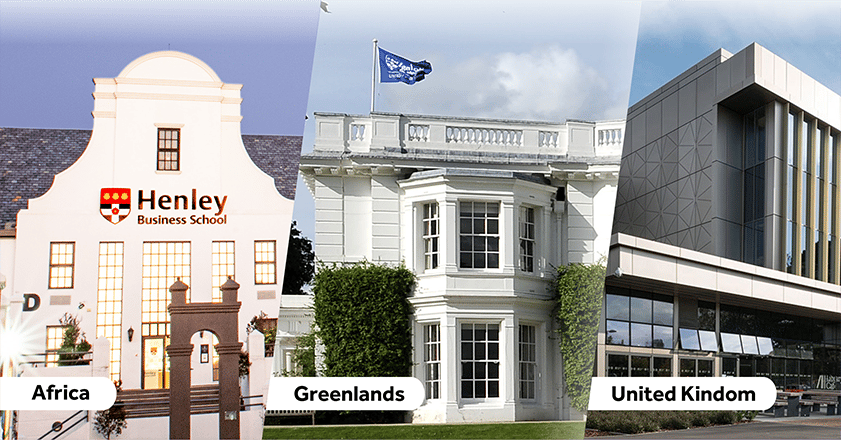
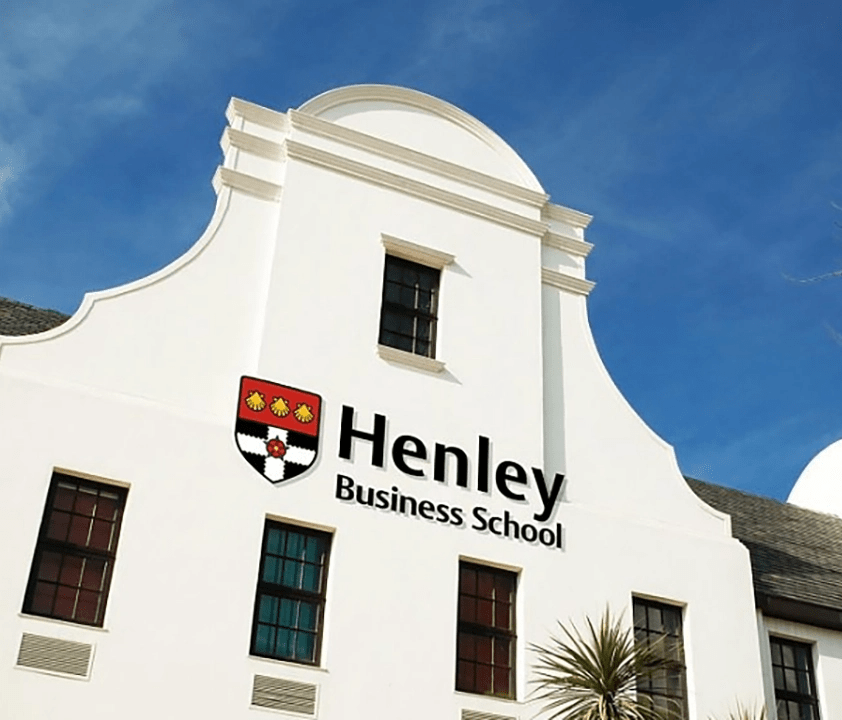





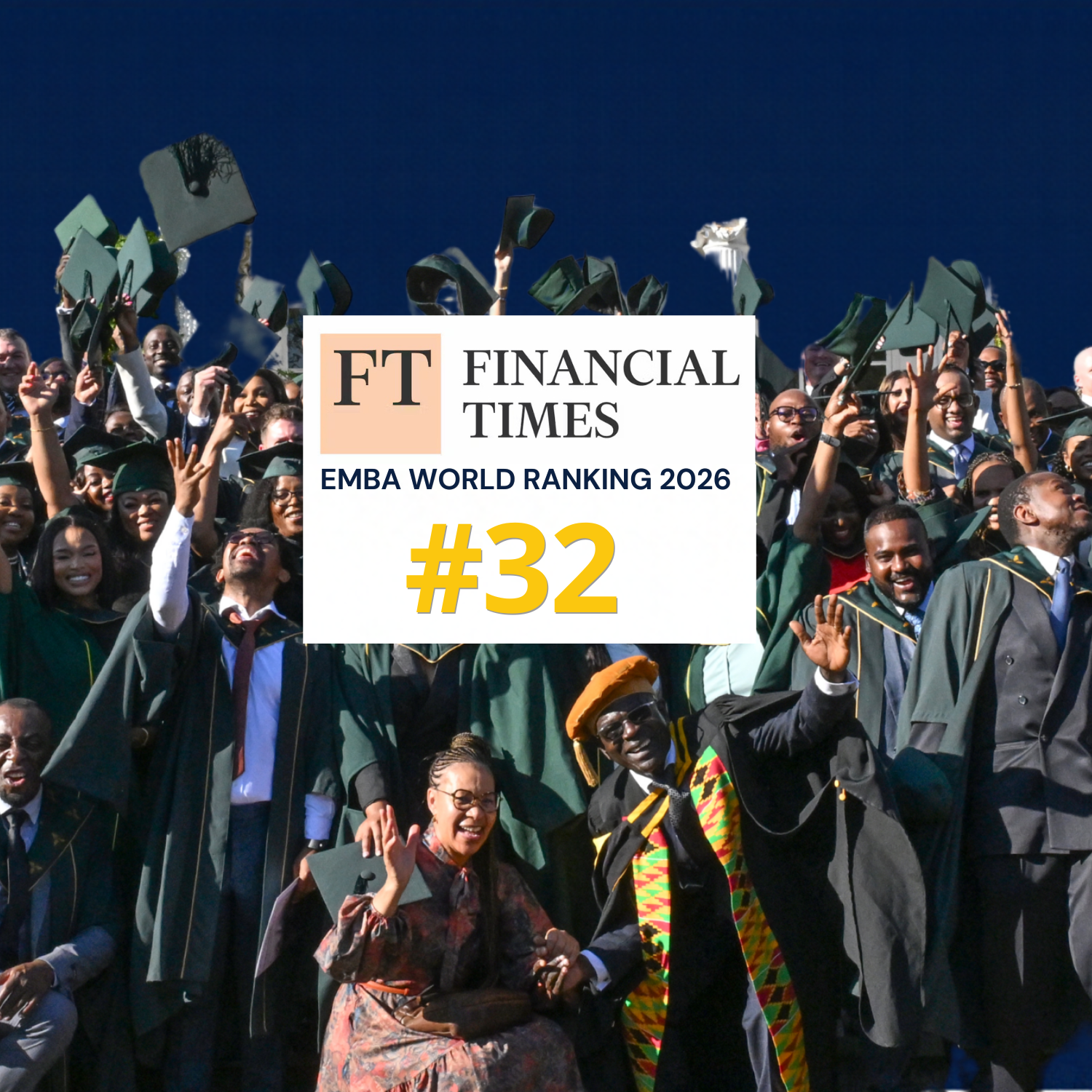
Henley Business School, part of the University of Reading, has reached its highest position yet in the Financial Times Executive MBA ranking. Its Global Executive MBA is 32nd in the world in 2026, first in South Africa and third in Africa.
The result follows a 19-place rise in 2025, so the programme has climbed 20 places in two years. Participants this year gave it an average satisfaction score of 9.42 out of 10.
Henley is one of only two business schools in South Africa to meet the criteria for this year’s ranking. It is also the only Executive MBA delivered in South Africa with dual accreditation, which means the degree is awarded in both the UK and South Africa. Leaders complete a demanding international qualification over 24 months while their careers, organisations and families remain anchored at home.
A global school with operations in China, Europe and Africa
Jon Foster-Pedley, Dean and Director of Henley Business School Africa and Associate Pro Vice-Chancellor for Global Engagement (Sub-Saharan Africa) at the University of Reading, says the ranking reflects what sets the programme apart from others in Africa: the reach of its international operations.
‘Henley and the University of Reading work across the UK and Europe, in China and throughout Africa. That gives our participants something few business schools on this continent can offer. They learn from the Global North and the Global South, and they can see how the same commercial problem is handled in Shanghai, in London, and in Johannesburg,’ he says.
‘Henley has been in Johannesburg for more than thirty years, and the University of Reading has been educating leaders for a century. Our participants get the academic depth of a leading UK university and the practical sense you need to run a business in Africa, where currency shocks and unreliable infrastructure are part of the working week. And they leave with a UK qualification that carries weight whether they are negotiating a deal in Nairobi or presenting to an investment board in London.’
Participants test their judgement against senior executives from multinational businesses
Foster-Pedley says the main thing participants gain is better judgement, and that it comes from having their thinking challenged by people who run large international businesses.
‘Participants bring real decisions from their own organisations into the room and test them against senior executives from multinational companies, who will question every assumption. Imagine an industrial chief executive and an infrastructure specialist from two different continents taking your plan apart at eight o’clock on a Friday evening. You have to defend the commercial logic or accept that you were wrong and work out why. It is hard work and often uncomfortable. But our graduates come out of it able to make sounder decisions under pressure, with a wider network and the confidence to lead across borders.’
The Financial Times figures support this. Henley rose two places to sixth in the world for the work experience of its participants and kept seventh place for international course experience. The class is made up of working executives from more than ten countries, who bring their own balance sheets, payrolls and markets into the discussion. Each participant can test a major decision against peers who know what it costs to get one wrong.
Launched in Africa in 2024, the Global Executive MBA brings South African, UK, Nordic and European cohorts together through five international residential visits over 24 months. Participants combine academic study with practical work in their own organisations, so what they learn applies at home and abroad.
The school improved on every measure of student diversity and has moved close to an even balance of men and women in the class this year. Henley kept first place in the world for women’s representation on its advisory board, based on calculated positions, and kept first place in Africa for carbon footprint, rising four places to 19th globally.
Henley is in the world’s top 20 for overall satisfaction
Henley was also ranked 19th in the world, up eight places from the previous year, for overall satisfaction, and held first place in the UK and South Africa on this measure for the third year running.
‘Alumni tell us again and again that the programme has changed their networks, their confidence, their careers and their outlook,’ says Lyneth Zungu, Director of MBA Programmes at Henley Africa.
Grace Harding, chief executive of Ocean Basket and a current Global Executive MBA participant, says the programme has changed how she runs a complex international supply chain, a franchise network and thousands of staff. ‘Since starting this programme, I’ve been the best CEO of my career,’ she says.
Alumni also rate the quality of their classmates highly. ‘The collective experience in the class is what makes the experience truly transformative,’ says Caroline Bixby, Chief People Officer at Christie Group plc. ‘You couldn’t pay to get that kind of experience in one room at any seminar you might attend. And these highly intelligent people are your friends and colleagues. It’s just unbelievable.’
Vekondja Kuzee, chief information officer of FNB Namibia and a member of the first African cohort, found the content ‘uncannily relevant’ to his daily work. ‘It’s like it was tailor-made as a practical laboratory for real-world application to suit my own work needs. I see my Global Executive MBA as a key step towards leveraging CEO-level connections and conversations that can make an impact at home.’
Other international rankings show the same rise
The Financial Times result matches the programme’s progress in other major global rankings. Henley Business School rose seven places to 57th in the world in the QS Executive MBA Rankings 2026. In the 2025 Corporate Knights Better World MBA ranking, it was 17th in the world, up 27 places, which reflects how closely the curriculum ties business decisions to environmental responsibility and ethical governance.
This week Henley also rose one place to 12th in the world in the Executive MBA table of the QS International Trade Rankings 2026, produced with the Hinrich Foundation. This respected ranking measures how well a programme prepares people to work in international trade and global business, from understanding different markets to managing relationships across borders.
‘Rankings are not the only measure of a business school, but they set a reliable standard,’ says Zungu. ‘To take part, schools must publish verified data on outcomes, salaries and the make-up of each class. Taken together, these rankings show that Henley’s Global Executive MBA holds up on the measures that matter: student outcomes, academic quality, teaching, responsible leadership and international reputation.’
‘For executives in Africa dealing with currency swings, supply chain problems and expansion across borders, that means they are investing in an MBA that travels well and carries authority in any boardroom.’
The next intake of Henley’s Global Executive MBA in South Africa is in October 2027, and places are limited. For more information visit Global MBA