Henley-logo-1-Jun-13-2023-06-29-02-5808-AM.png)


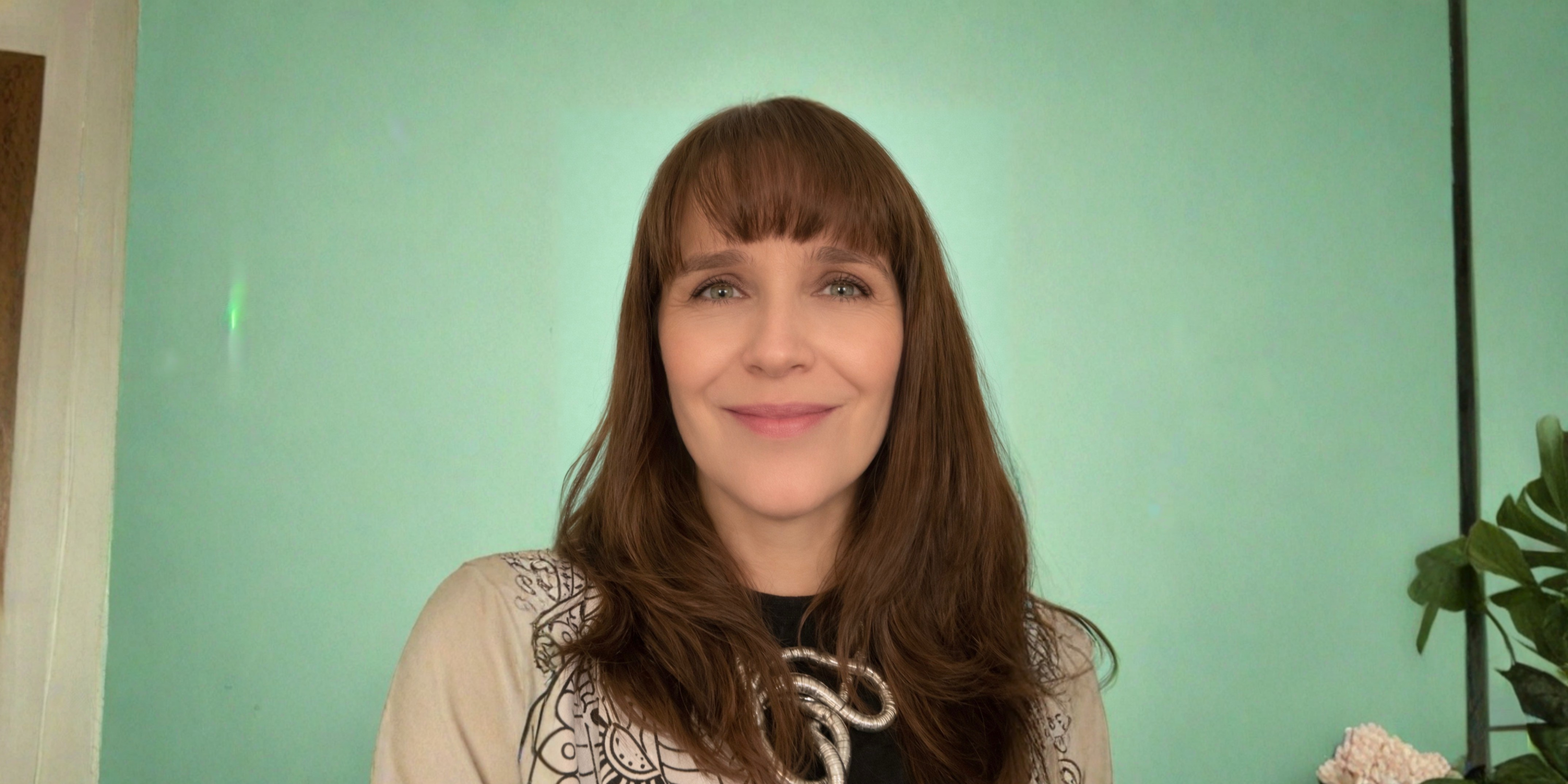
When Ondine Hogeboom joined Henley Business School Africa, she didn’t arrive with the conventional résumé of a corporate climber. She brought years of lived entrepreneurial experience and a deep instinct for building social value, and recognised the need to deepen her understanding of shared business language to support the global growth of her impact
Today, Ondine is a leader in regenerative business model design. Her journey from a non-degree student in South Africa to a global founder in Canada is a masterclass in how an MBA research project can serve as a strategic lever for international career transition and social innovation.
From entrepreneurial instinct to validated expertise
Ondine started her first enterprise at 17. By her 30s, she had scaled initiatives in Durban’s creative sector and founded Botswana’s first corporate wellness organisation. Despite her success, she felt gaps in her business knowledge.
‘I felt there were things I just didn’t know,’ she says. ‘And I knew that I didn’t know.’
This self-awareness led her to Henley Business School Africa. Henley’s admissions policy - which accepts a small percentage of candidates based on impactful work experience rather than an undergraduate degree—opened the door.
Overcoming imposter syndrome in business education
The transition wasn't easy. Joining a heavily corporate cohort, Ondine initially struggled with imposter syndrome. However, the MBA provided a breakthrough: it validated her lived experience.
‘I realised I knew so much more than I thought I did,’ she reflects. ‘I just didn’t have the language. The Henley MBA gave me confidence in my own experience and perspective.’
The research project: A strategic pivot
The true formula for Ondine’s success wasn't just completing the degree; it was how she utilised the final research project.
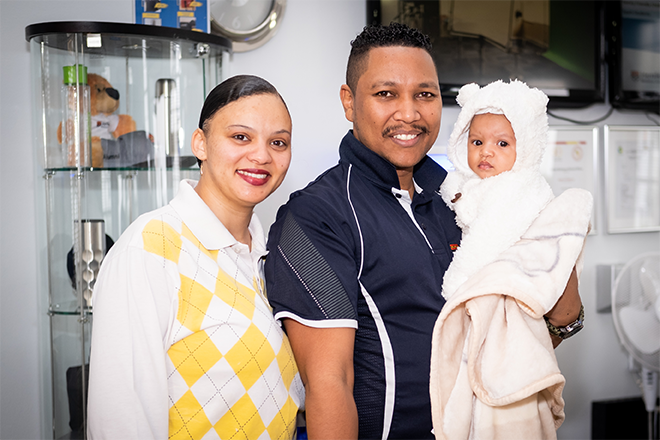
Facing a move to Toronto with a newborn baby, Ondine used her research as an entry point into the Canadian startup ecosystem. Her study explored how innovative startup approaches could be applied to the social impact sector. Every interview served as:
- Targeted networking: Connecting with industry leaders.
- Community building: Establishing her reputation in a new country.
- Market research: Identifying gaps in existing business models.
Founding Flourishing Startups (formerly Lean4Flourishing) and the Flourishing Startup Method
During her research, Ondine met Antony Upward, creator of the Flourishing Business Canvas, the world's first and only systemic business canvas. Their collaboration led to the founding of Flourishing Startups, an organisation specialising in regenerative business design.
Ondine’s research project at Henley birthed the Flourishing Startup Method, an approach to designing business models that are socially beneficial, environmentally regenerative and financially viable. Ten years later, this methodology powers incubators and accelerators worldwide.
Advice for MBA candidates: Research as a catalyst
Ondine’s story is a reminder that an MBA is more than three letters behind a name. For those approaching their final thesis, she offers an invitation:
‘There’s such an incredible opportunity to spark a meaningful line of learning. Imagine the possibilities when your gifts and curiosity meet the Henley research opportunity.