
Henley-logo-1-Jun-13-2023-06-29-02-5808-AM.png)




Begin with the end in mind.
It is a well-known principle in business strategy. But let’s apply it somewhere much more uncomfortable: your own tombstone.
When that day comes, what do you actually want your children to say about you?
They are not going to start with your job title. They are unlikely to recite your LinkedIn achievements. They will not care about the margins you optimised or the late-night deals you closed.
They will only remember how you made them feel.
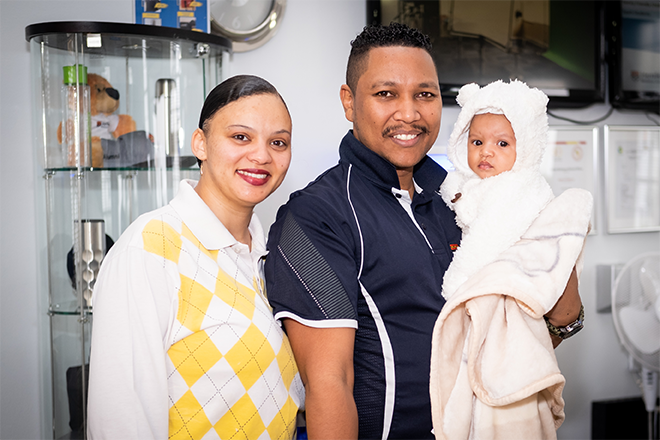
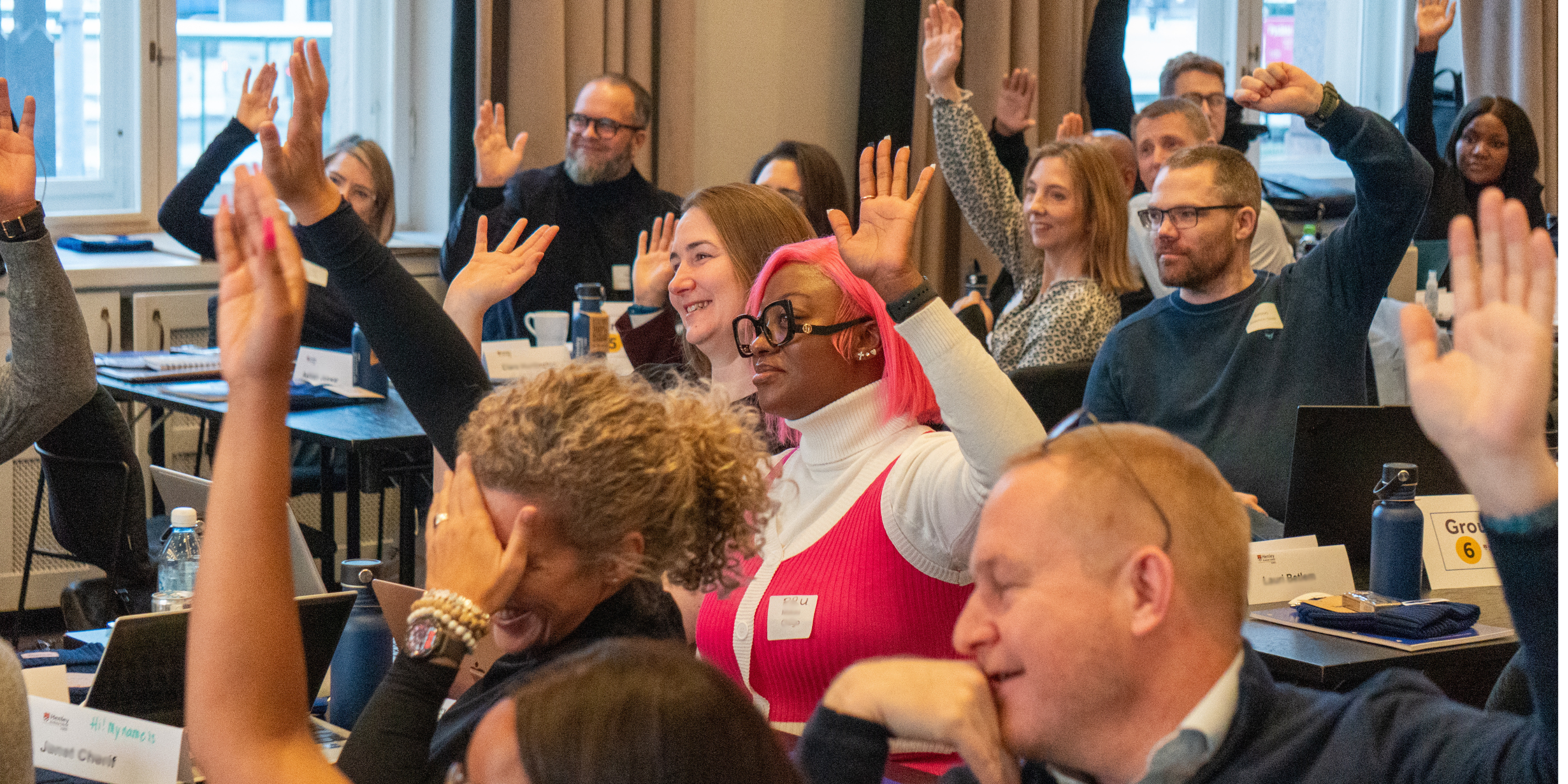
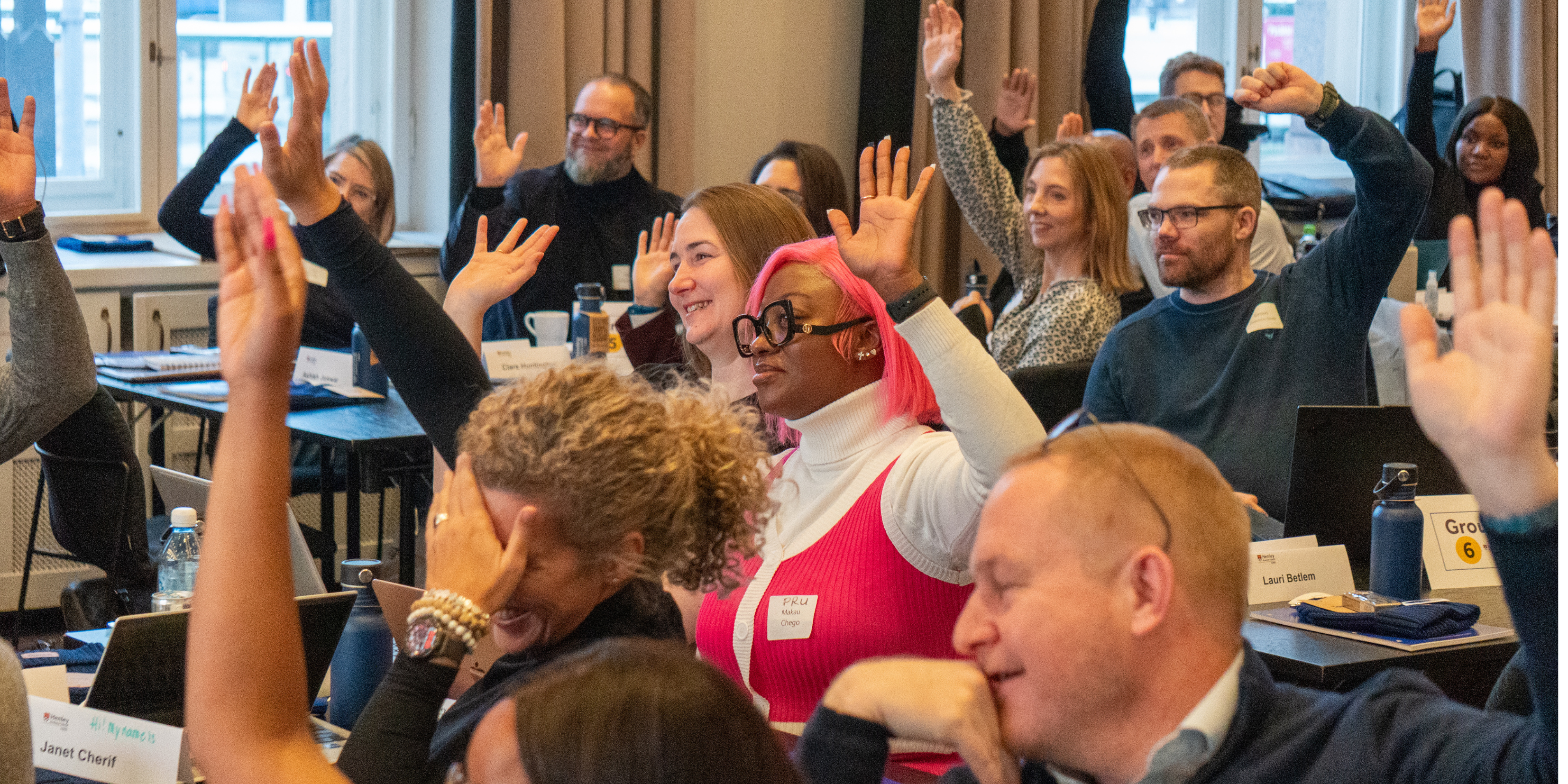
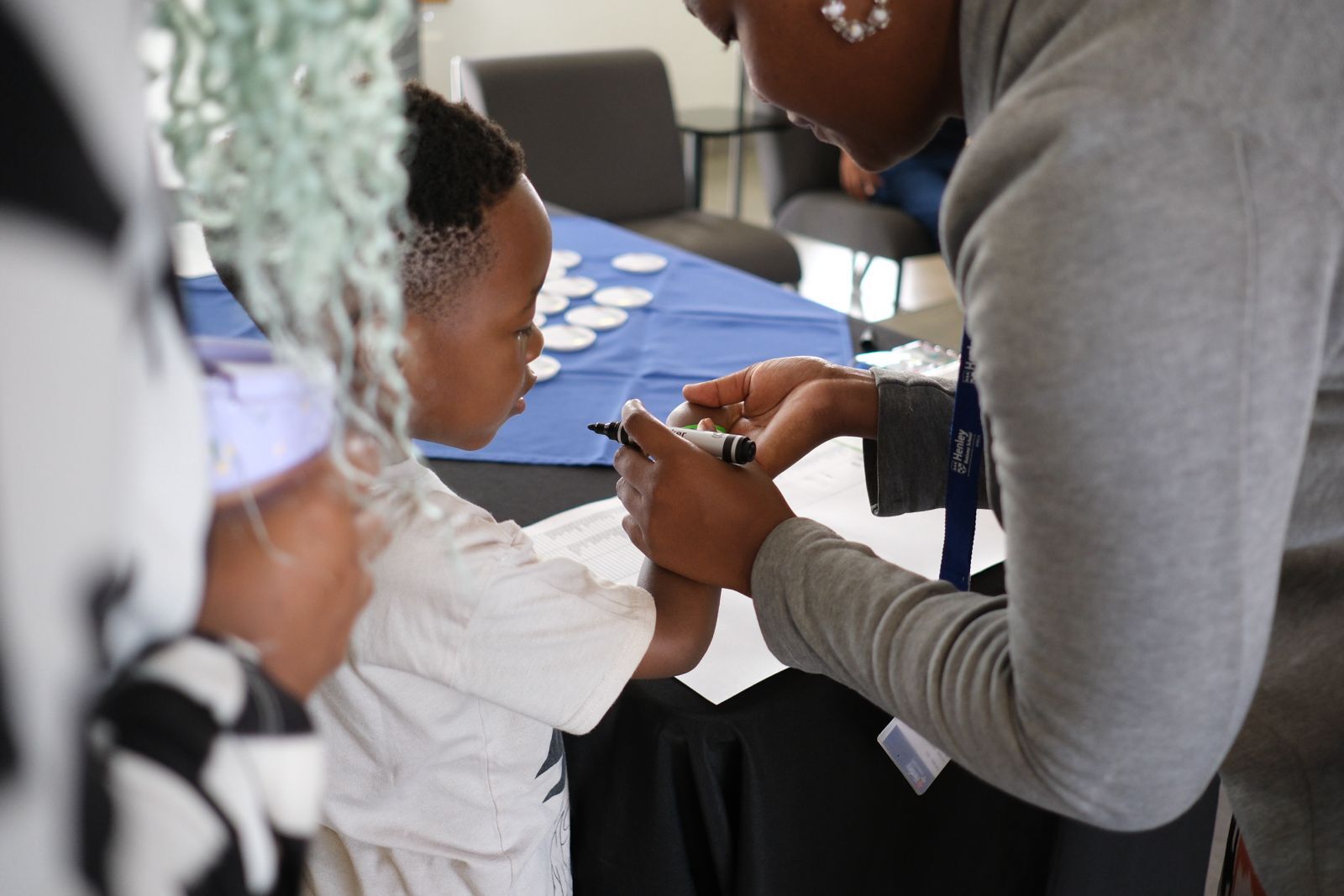
Recently at Henley, psychologist and author Judith Ancer took the podium to deliver this provocative wake-up call to students, staff, and alumni at a family-friendly Saturday workshop titled “Why Love Matters.” Her core message was uncompromising: If we want a better world, we need good people. And building good people begins with raising our children with intention.
‘The kind of future we will have depends, in large part, on the children we raise today,’ she said.
Providing vs presence: The blind spot of the high achiever
Ancer explained that high-achieving professionals often share a common, often tragic, blind spot. They work punishing hours and pursue demanding degrees, driven by a deep, genuine commitment to provide for their families; often striving to give their children opportunities they never had.
But while provision is important; it is not presence.
‘Provision matters. Especially in a country like ours, where economic pressure is real, earning money and creating opportunity for your family is important,’ said Ancer. ‘But neuroscience and developmental psychology have been telling us for decades that while children do need provision, what they need most is not more stuff. They need more of you. They need your presence, not your presents.’
To cultivate presence, Ancer suggests, parents and caregivers can start by thinking more deeply about what their children need.
‘You study leadership, strategy, finance. You think about systems, performance, and results. But when you walk through your front door at home, do you know what your children actually need? Or are you treating them like another key performance indicator?’
Fortunately, there is plenty of research to point the way, on the science of relationships and the importance of love – starting with Sue Gerhardt’s book Why Love Matters.
The science of survival: Attachment theory
Drawing on decades of psychological research, Ancer also broke down the science of attachment for the audience. Originally developed by British psychiatrist John Bowlby, attachment, she explained, is not just a warm emotional bond. It is a biological survival system.
Through thousands of micro-interactions – a smile, a reassuring word, a steady response – children learn to decode the world. Is it safe? Can others be trusted? These early interactions hardwire their ability to form relationships for the rest of their lives.
And the data is clear: The strongest predictor of long-term human wellbeing isn't generational wealth, IQ, or status. It is the presence of warm, reliable relationships in a child’s life.
‘Every day, in ordinary moments, we are teaching them what relationships feel like. We are giving them a blueprint for connection. That is why love matters. Not love as a vague sentiment, but love as emotional presence, relational safety, and connection.’
A secure base and a safe haven
At the core of healthy parenting, children require two distinct environments from their caregivers:
- A secure base: The solid ground that gives them the confidence to explore, experiment, take risks, and fail.
- A safe haven: The sanctuary they return to when the world becomes overwhelming.
Is your house psychologically safe? Can your children admit a massive mistake without fear of terrifying retaliation? Can they ask deeply uncomfortable questions?
Balancing these two forces builds resilience, curiosity, and courage. When children feel safe enough to explore, they become brave.
Here is the good news for perfectionist executives: Flawless parenting is a myth, and striving for it is actually counterproductive.
Psychologist Donald Winnicott championed the concept of the “good enough parent.” Children actually need you to make small mistakes. Minor frustrations help them build independence, Ancer explained.
The magic metric is not perfection; it is repair.
‘You will misjudge situations. You will lose your temper. You will miss emotional cues. But when you apologise and reconnect, you teach your child the most resilient lesson of all: Relationships can survive mistakes.’
The psychological safety home audit
Building psychological safety is also key, said Ancer, adding that the concept of emotional safety bridges the gap between the boardroom and the living room perfectly.
Google’s massive Project Aristotle revealed that psychological safety is the single most important factor in high-performing teams. Teams only win when people feel safe to speak up, admit errors, and challenge the status quo without fear of humiliation.
Ancer then challenged the audience to audit their own home:
The fastest way to build this safety? Choose curiosity over judgment. When a child fails, asking why before reacting creates an immediate space for connection instead of defensiveness.
Consistency in all this is also key, adds Ancer. ‘Children do best when attachment figures are steady, predictable, and emotionally available. You cannot simply swap caregivers in and out without impact.’
It is also important to say that attachment is not limited to mothers. Children can form healthy attachments with fathers, grandparents, siblings, aunties, uncles, and other consistent caregivers. The issue is not biology alone. It is consistency, predictability, empathy, and attunement.
‘Children need caregivers who show up reliably and respond to them in ways that feel emotionally safe.’
Why Henley Africa champions the family-friendly MBA
Speaking at the event, Henley Africa dean Jon Foster-Pedley said that for the business school, a focus on families isn't just an interesting topic for a seminar. It is a core operational philosophy.
‘We attract executives who are in the absolute thick of demanding careers and intense family responsibilities. Ignoring that reality is institutional arrogance,’ he said. Creating a learning environment that aggressively supports family life is a deliberate design choice. ‘We want Henley to be a place where people can grow intellectually while also navigating the challenges of real life.’
‘We are building a community where leaders don't just optimise business strategy, but deeply interrogate their purpose, their relationships, and the actual legacy they are leaving behind.
‘If you want to feature in your children's memories tomorrow, you have to be in their lives today. Leadership does not end at the office door. Often, the most critical work of your life begins the second you turn the key in your own front door.’
To find out more about Henley Africa's family-friendly workshops click here