Henley-logo-1-Jun-13-2023-06-29-02-5808-AM.png)


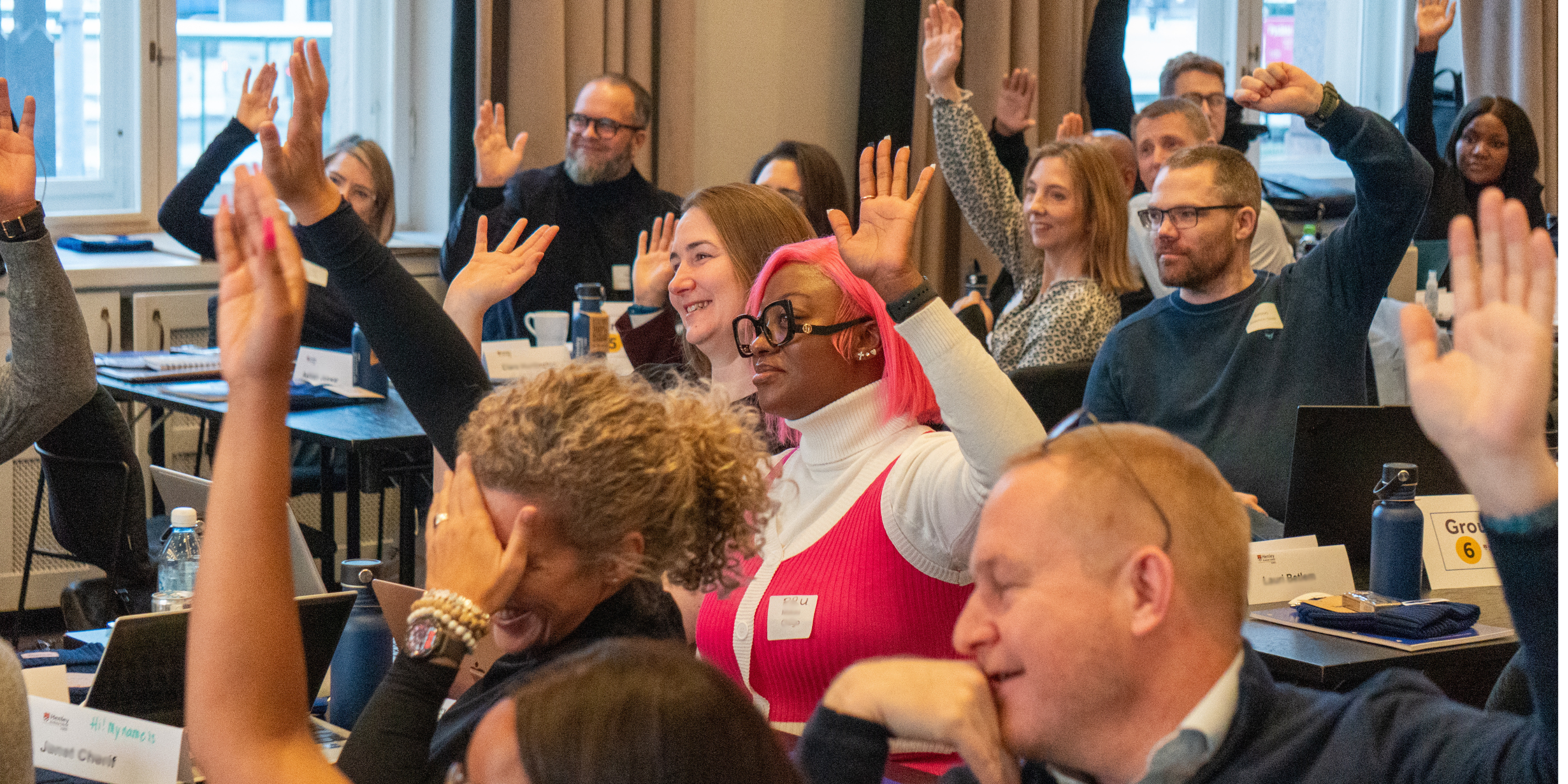
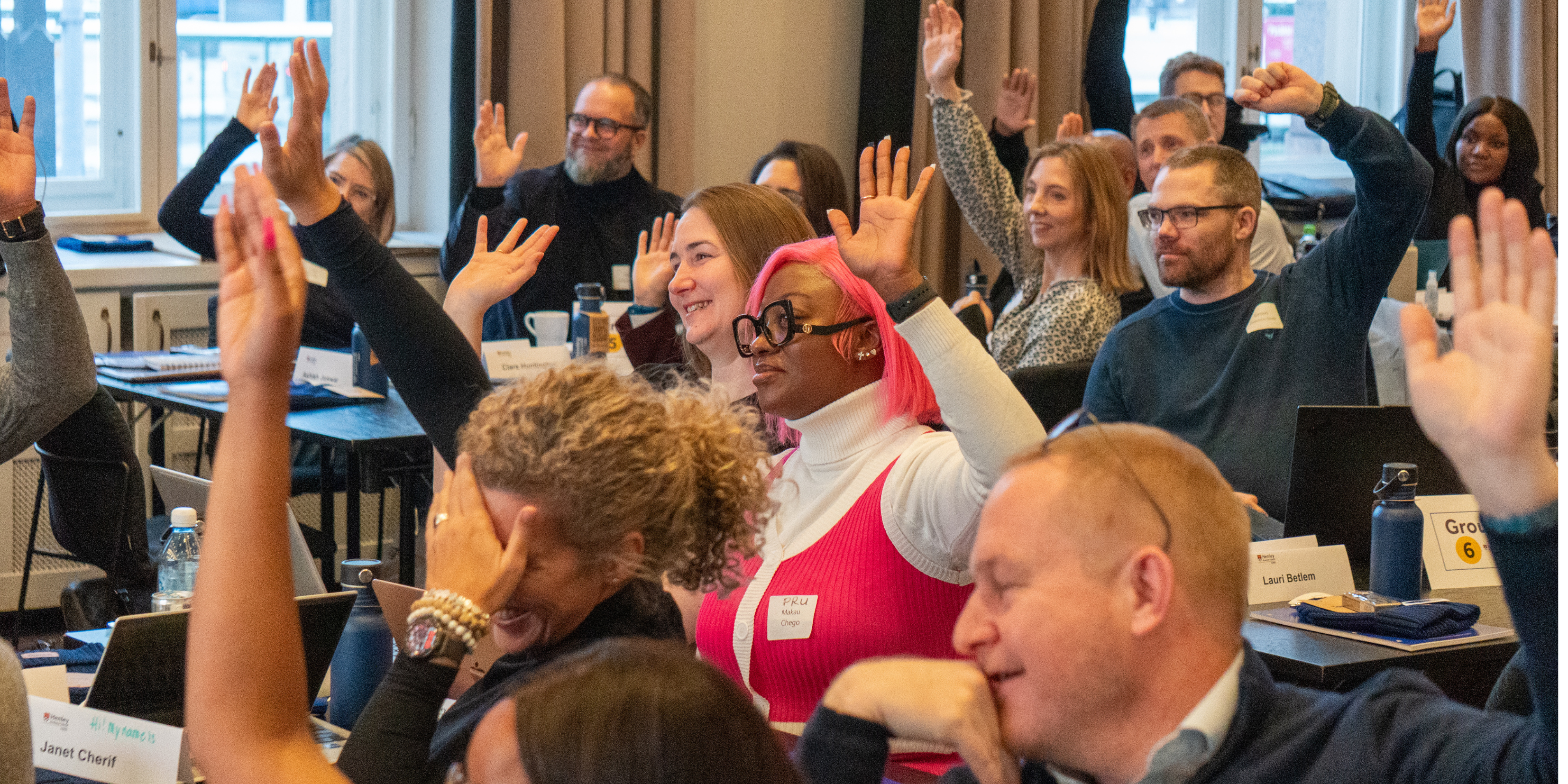

What if we stopped trying to find the perfect definition of leadership and started looking for what actually works?
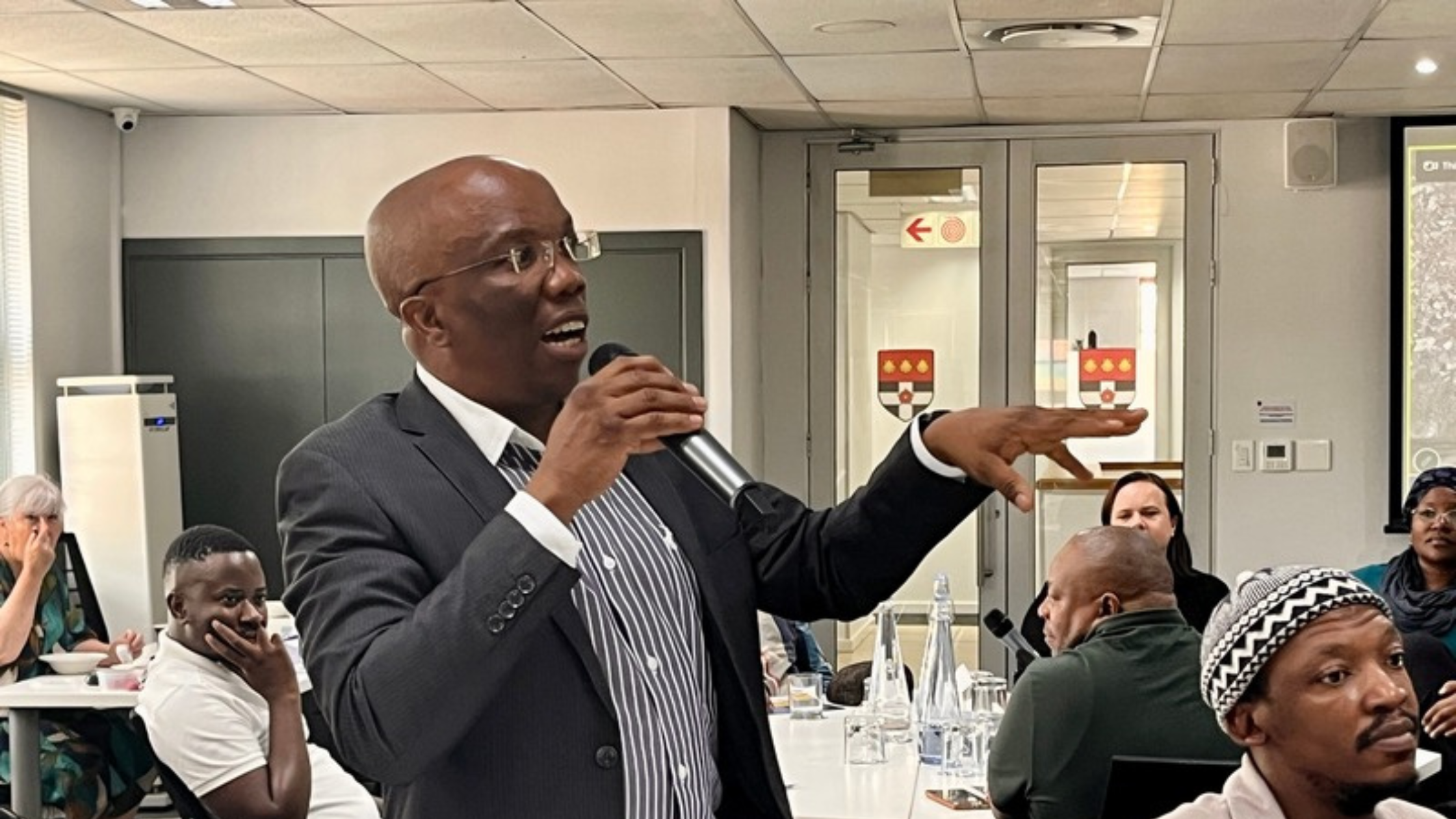
That was the central provocation at the 6th African Leadership Optimism Workshop, hosted by the Henley Centre for Leadership Africa at Henley Business School this week – one of five research centres at the core of the research department at Henley Business School Africa. The day wasn't designed for passive listening or polished slide decks. Instead, it brought together a diverse group of executives, managers, and academics to engage with the idea that leadership in Africa could be generative, productive, and – above all – optimistic.
Moving beyond the ‘naivety’ myth
As Professor Bernd Vogel, Director of the Henley Centre for Leadership Africa, noted in his opening remarks, choosing optimism is a strategic decision, not a naive one.
‘It’s not about being naive,’ Vogel explained. ‘We can criticise leadership endlessly and put out headlines about negative leadership. Or, we can find out where the pockets of really great practice are happening – every moment, every second, in this country and elsewhere. That is our focus: recognising, transforming, and sustaining positive leadership.’
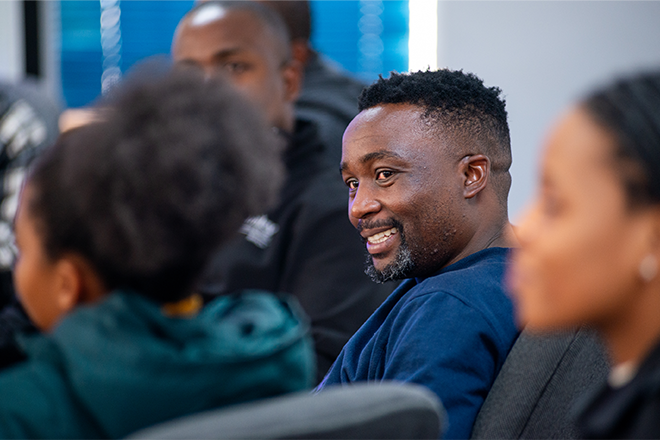
To explore this, the workshop transitioned into a ‘marketplace of ideas’ to draw on the deep expertise of the Henley Centre for Leadership Africa. Six researchers and practitioners presented their research through A0-sized posters, not as lectures, but as conversation starters. Delegates moved in 15-minute rhythms, ‘shopping’ for insights, challenging the presenters, and grappling with how these ideas could help their own organisations.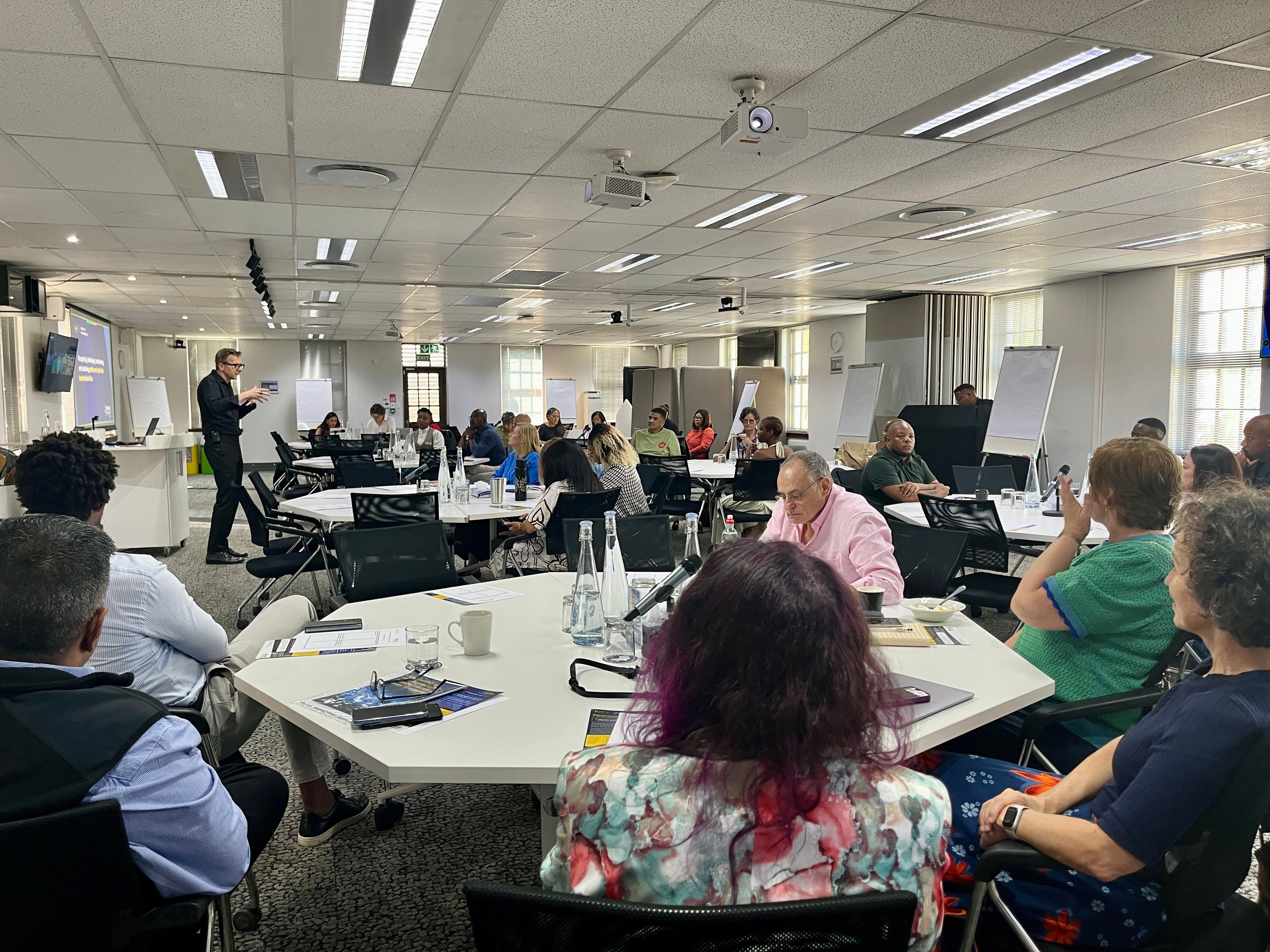
‘There is no single formula for leadership,’ commented Professor Vogel. ‘I favour the idea of leadership as a repertoire. It’s about building a toolkit of behaviours that allow you to navigate a variety of, often challenging contexts.’
By looking at leadership through multiple lenses – digital, analytical, entrepreneurial, contextual, and social – the workshop nudged participants to take one specific commitment back to their desks. In an ‘attention economy’ where everything moves fast, these small, optimistic nudges are what plant the seeds for long-term transformation.
The leadership marketplace: Six themes to build a leadership repertoire
The discussions centred on six distinct ‘stalls’, each tackling a different friction point in modern leadership:
1. The digital frontier in banking
Deven Reddy, Head: Group Risk and Treasury IT at ABSA Group, explored the digital transformation of bank treasuries. While customer-facing ‘front-office’ tech often gets the budget, the treasury is the engine room. Deven argued that leadership here isn't just about positional authority; it’s the ability to align fragmented strategic priorities and inspire a workforce that might be apprehensive about the AI and Big Data shifts currently redesigning their world.
2. Machine Learning as a mirror for accountability
Melani Prinsloo, Henley Executive Fellow, challenged the limits of human cognitive capacity in complex organisations. When value ‘leaks’ from a system, it’s rarely a single error; it’s a systemic problem. Melani demonstrated how machine learning provides real-time visibility into these leaks. The leadership takeaway? Greater visibility doesn't automatically fix things; it creates a leadership choice to confront the weaknesses the data reveals.
3. The hidden ROI of the side hustle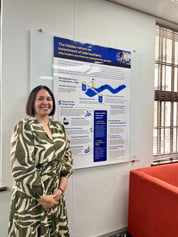
Zara Cupido, Research Manager at Henley Business School Africa, tackled a controversial modern reality: the employee side hustle. Rather than viewing external ventures as a risk, Zara’s research suggests they are offer organisations hidden value. These ‘intrapreneurs’ bring back adaptability and soft skills to their primary roles, she argues. The task for leaders is to build a culture that transforms this perceived risk into a source of organisational innovation.
4. Strategic contextual leadership
Professor Bernd Vogel, head of the Henley Centre for Leadership Africa, introduced a framework for strategic leaders, he co-developed with Ergham Bashir based on her doctoral research. The core idea: your biggest challenge isn’t your strategy; it’s your struggle to see, understand, and predict shifts in the environment. This "Hybrid Strategic Contextual Leadership" model helps executives integrate deep insights on the shifting external and internal context into their daily practice to drive sustainable success at the top.
5. Turning strategy into shared and lived experience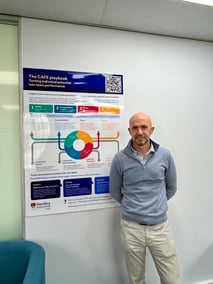
Malcolm Ferguson, Henley Executive Fellow, addressed a common organisational gap: having a strategy but no shared playbook to ensure execution. Through his CAFE model (Clarity, Accountability, Focus, and Energy), Malcolm showed how teams can make high-quality decisions in real-time without waiting for senior permission by making sure teams are aligned around these four questions. The model turns strategy from a static document into a daily conversation.
6. Reimagining success for women in leadership
Despina Senatore, Henley Executive Fellow, presented a sobering but necessary look at women in middle management within South Africa’s legal and financial sectors. Despite decades of progress, a web of constraints remains. Despina’s research argues that the challenge is not about ‘fixing women’ to fit old models, but about reimagining how we define work, leadership, and success for everyone.